
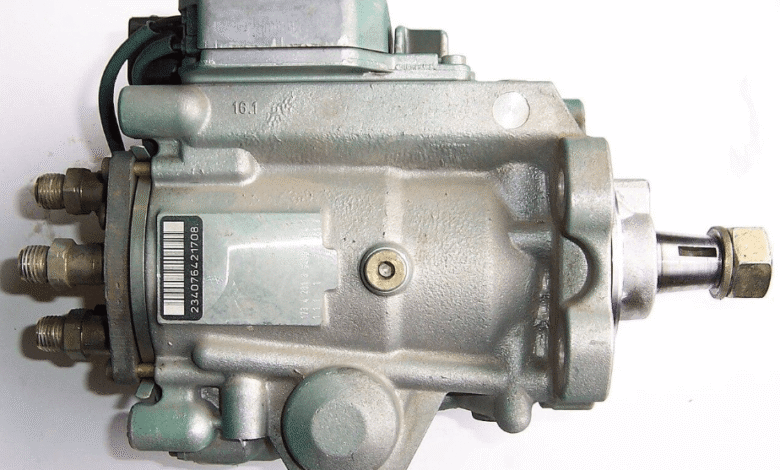
The fuel injection pump is the heart of any mechanical diesel engine. It establishes the pressure, timing, and volume of every drop of fuel that reaches the combustion chamber, and the consistency of that delivery determines whether the engine produces smooth power or struggles through hesitations and rough idle. Over years of operation, even the most durable pump begins to lose its precision. Internal tolerances widen by fractions of a millimeter, sealing surfaces polish smooth, and pressure stability slowly drifts away from factory specification. A properly performed rebuild can reverse most of that gradual decline, returning the pump to a level of performance that closely matches its original behavior, often at a fraction of the cost of a new unit.
Why Fuel Pressure Defines Diesel Performance
Diesel engines do not rely on a spark to begin combustion. Instead, they depend on intense compression and the precise injection of fuel at exactly the right moment in the cycle. If the pressure delivered to the injectors falls outside the design range, even by a small margin, the entire combustion sequence shifts out of alignment. Fuel may enter the cylinder too early, too late, or in volumes that do not match what the engine is demanding at that instant. The result is the familiar list of complaints that diesel owners eventually learn to recognize: long cranking times, hesitation under acceleration, rough idle, smoky exhaust, and inconsistent power when the engine is asked to work hard.
How Pumps Gradually Lose Their Edge
Fuel pumps almost never fail suddenly. They drift. Plungers wear against their bores, springs lose tension, delivery valves develop slight leaks, and bearings accumulate microscopic damage from years of high-speed rotation. Each individual change is small, but combined they alter the pump’s ability to maintain steady pressure across the full range of engine operation. Drivers usually adapt to the slow decline without realizing it, until one day the engine no longer responds the way it used to, especially during heavy load or cold starts.
What Actually Happens Inside a Rebuild
Diesel fuel pumps lose efficiency gradually as internal components wear from pressure cycling, contamination, and continuous engine load. Small reductions in sealing precision or plunger movement can disrupt fuel pressure long before complete pump failure occurs, which often causes hesitation, unstable throttle response, hard starts, or inconsistent combustion under load. During a rebuild, diesel technicians inspect pressure valves, internal seals, bearings, timing components, and the condition of the navistar fuel pump parts responsible for maintaining accurate fuel delivery throughout the pump assembly.
Most rebuild procedures replace seals, plungers, springs, gaskets, and valve assemblies because these components experience constant mechanical stress during diesel operation. Worn pump internals reduce pressure consistency and create uneven fuel supply to injectors, especially during acceleration or sustained hauling conditions where fuel demand increases rapidly. Mechanical diesel fuel systems depend on stable internal pump tolerances because injector timing and combustion efficiency rely on precise fuel pressure throughout the operating range. Fuel contamination accelerates wear by damaging sealing surfaces and restricting internal valve movement with microscopic debris particles. Technicians usually verify pressure output and timing calibration after rebuilding the pump to confirm that fuel delivery remains stable under load conditions. Replacing worn internal pump components restores consistent pressure, improves throttle response, and reduces drivability problems caused by uneven diesel fuel delivery.
The Diagnostic Work Before Disassembly
A rebuild begins long before the pump is opened. Experienced diesel technicians evaluate the engine’s behavior under several operating conditions, recording how it starts cold, idles, accelerates under load, and behaves at sustained highway speeds. They check for stored fault codes, monitor live data when applicable, and measure actual fuel pressure against specification. Some symptoms blamed on the pump originate elsewhere, often in fuel filters, lift pumps, return lines, or air intrusion at fitting connections. Confirming that the pump itself is the source of the problem prevents unnecessary work and helps identify any secondary issues that must be addressed at the same time.
The Importance of Bench Calibration
Once the pump is rebuilt, the work is only halfway finished. A properly calibrated pump must be tested on a specialized bench fixture that simulates engine operating conditions. The fixture rotates the pump at various speeds, measures fuel delivery at each plunger station, and verifies that pressure rises and falls within the manufacturer’s tolerances. Without this calibration step, a rebuilt pump may run, but it will rarely match the original performance the engine was designed around. Quality rebuild shops treat bench calibration as a non-negotiable part of the process rather than an optional final check.
Contamination Is the Silent Enemy
No rebuild lasts long in a contaminated fuel system. Water, microbial growth, and particulate debris all damage the precision surfaces inside a freshly restored pump within remarkably short timeframes. Replacing fuel filters at the same time as the rebuild, inspecting the tank for sediment, and verifying that the lift pump delivers clean fuel at the correct volume are all part of doing the job correctly. Skipping these steps often results in a rebuilt pump that begins drifting out of specification again within months, leaving the owner frustrated and the shop’s reputation unfairly damaged.
Why Filter Maintenance Cannot Be Skipped
Modern diesel filters are designed to remove particles measured in microns, but they only work when replaced on schedule. A filter operating past its intended service life can become a source of contamination rather than a defense against it, releasing accumulated debris into the fuel stream during pressure spikes. Many fleet operators include filter replacement as a standard part of every major service interval specifically to protect downstream components like the injection pump and injectors. This habit alone can extend rebuild intervals by years.
Verifying the Repair on the Engine
Even a perfectly rebuilt and bench-calibrated pump must be verified once it is reinstalled. Technicians monitor cold-start behavior, throttle response, idle quality, and emissions output to confirm that the engine is now operating within expected parameters. Some modern diagnostic platforms can identify minor inconsistencies that older systems would have missed, helping shops confirm a successful rebuild with greater confidence. A practical look at how diagnostic verification processes confirm engine performance illustrates why thorough post-repair testing has become as important as the rebuild itself in commercial diesel work.
The Role of Preventive Maintenance in Long-Term Reliability
A rebuilt pump performs at its best when the rest of the vehicle is maintained at a similar standard. Cooling system condition, air filtration, oil change intervals, and chassis lubrication all influence how hard the engine has to work and, by extension, how much stress the fuel system absorbs. A thorough overview of maintenance best practices for medium-duty trucks outlines how operators can build the kind of systematic service routine that protects every component, including the freshly rebuilt fuel pump, from premature wear.
See also: Why More CDL Drivers are Embracing Tech-Driven Solutions
Choosing a Trusted Source for Rebuild Components
The quality of a fuel pump rebuild ultimately depends on the quality of the parts used to perform it. Goldfarb Inc. has been a recognized name in diesel fuel-system parts for decades, supplying new, used, and professionally rebuilt components for a wide range of commercial and heavy-duty platforms, including Navistar engines that remain in service well beyond their original support windows. Their inventory depth in mechanical injection components has made them a trusted resource for diesel shops, fleet operators, and independent technicians who need original-quality parts that match the precision the original assemblies were built around. For owners of older diesels that depend on hard-to-find rebuild kits and matched internal components, working with a specialist supplier is often the difference between a rebuild that lasts another decade and one that disappoints within a season of hard work.
Final Thoughts
A diesel fuel pump rebuild is not simply a repair; it is the careful restoration of the precision that defines how the entire engine behaves. When done properly, with thoughtful diagnosis, quality replacement components, accurate bench calibration, and disciplined attention to fuel cleanliness, a rebuild can return a tired diesel to the kind of smooth, predictable performance it had when it was new. Hesitation disappears, throttle response sharpens, hard starts fade away, and the engine settles back into the steady rhythm that diesel owners rely on. For anyone facing the symptoms of a tired pump, the rebuild path remains one of the most cost-effective and rewarding investments in the long working life of a diesel engine.