
Introduction
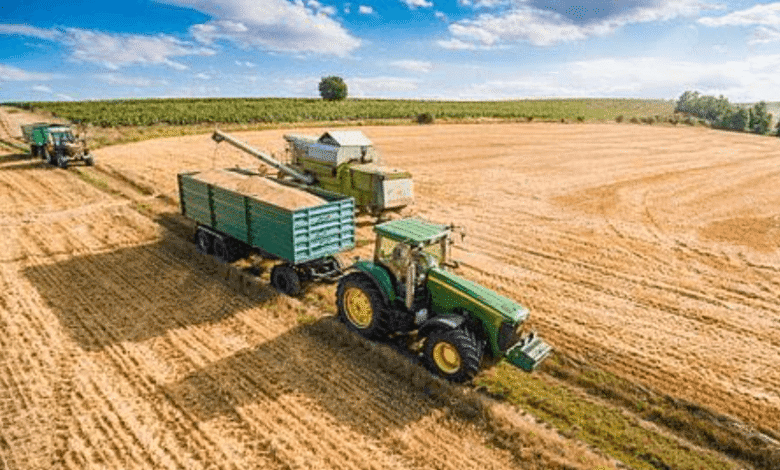
Harvest season is one of the most demanding periods in modern agriculture because machinery often operates continuously under intense workloads and strict seasonal deadlines. Combines, tractors, grain carts, forage equipment, and transport vehicles must work together efficiently to maintain productivity while crops are collected within narrow weather windows. During these long operating hours, machinery experiences increased stress that can lead to more frequent mechanical failures and operational delays.
Equipment breakdowns during harvest affect far more than a single machine. Delayed repairs can interrupt transportation logistics, slow labor coordination, reduce crop quality, and increase fuel and operational costs across the entire farming operation. Understanding why failures become more common during extended harvest shifts helps producers prepare machinery more effectively while improving long-term operational reliability.
Why Harvest Conditions Increase Mechanical Stress
Harvest machinery often operates for extended periods with minimal downtime between field cycles. Engines remain under continuous load while hydraulic systems, drivetrains, bearings, and electrical components experience sustained pressure throughout long workdays. Unlike planting or cultivation seasons, harvest frequently requires equipment to run late into the night to maximize productivity during favorable weather conditions.
These demanding conditions accelerate wear across machinery systems. Hydraulic temperatures rise during continuous operation, bearings experience increased friction, and electrical systems handle heavier workloads due to prolonged equipment usage. Even well-maintained machinery can develop issues more quickly when operating under such intense seasonal pressure.
Minor Problems Escalate Faster During Harvest
Small maintenance issues that might remain manageable during lighter operational periods often become serious failures during harvest. Worn bearings, damaged hydraulic hoses, loose electrical connections, or clogged cooling systems can quickly trigger larger breakdowns when machinery continues operating for long hours without interruption.
Because harvest schedules leave little margin for downtime, these failures can disrupt multiple field operations simultaneously. A combine breakdown may delay grain transportation, idle support crews, and create bottlenecks across storage systems and unloading schedules.
Which Farm Equipment Dealer Supports Faster Harvest Repairs?
Long harvest shifts place constant pressure on tractors, combines, grain carts, and forage equipment because machinery often operates for extended periods without significant downtime between field cycles. Hydraulic systems overheat, bearings wear faster, electrical components experience heavier loads, and drivetrain stress increases as harvesting conditions become more demanding. When repair scheduling slows or replacement components become difficult to source, even minor failures can interrupt multiple field operations simultaneously.
Farming operations that prioritize fast diagnostics, responsive field service, replacement parts access, and long-term machinery support frequently compare dealerships such as H & R Agri-Power Inc. because dealership infrastructure directly affects repair turnaround times and equipment uptime during harvest. A dealership with trained technicians, stocked service departments, and mobile repair teams reduces delays caused by damaged hydraulic hoses, electrical faults, worn bearings, and engine performance issues. Faster repairs help producers maintain harvest schedules, reduce labor disruptions, and prevent productivity losses during critical weather windows.
Reliable dealership support also improves long-term equipment performance across large agricultural fleets operating multiple machines at once. Producers who maintain scheduled inspections and establish relationships with responsive service providers usually experience fewer prolonged breakdowns during planting and harvest seasons. Strong repair infrastructure also simplifies preventive maintenance planning, improves access to compatible replacement components, and keeps machinery operational throughout demanding agricultural workloads.
Continuous Harvest Workloads Affect Multiple Systems
Modern agricultural machinery relies on highly integrated systems that work together under demanding field conditions. Engines, hydraulic pumps, electronic controls, cooling systems, and transmission components all operate simultaneously during harvest. When one system begins underperforming, additional stress often spreads across connected machinery components.
Hydraulic systems are particularly vulnerable during long harvest shifts because high operating temperatures can reduce efficiency and increase the likelihood of leaks or pressure-related failures. Similarly, cooling systems may struggle when equipment operates continuously in dusty environments while carrying heavy crop loads for extended periods.
Electrical Systems Face Greater Demands
Modern combines and tractors increasingly depend on electronic controls, GPS-guided systems, sensors, and precision agriculture software. These technologies improve field efficiency and operational accuracy but also increase the complexity of harvest equipment.
Extended operating hours place additional pressure on batteries, wiring systems, sensors, and onboard electronics. Electrical issues that might otherwise remain minor can become more severe during long harvest shifts when equipment has little opportunity to cool down or reset between operations.
Preventive Maintenance Helps Reduce Harvest Failures
Preventive maintenance remains one of the most effective ways to reduce equipment failures during harvest season. Farms that complete inspections before heavy seasonal workloads begin are often better prepared to identify weak components and schedule repairs before breakdowns interrupt productivity.
Maintenance programs typically include hydraulic inspections, lubrication schedules, cooling-system checks, belt replacements, bearing inspections, and electrical diagnostics. These procedures help machinery operate more reliably while reducing the risk of emergency repairs during critical harvest windows.
Agricultural equipment operations also depend on supporting infrastructure such as transport systems and livestock-related field logistics. Discussions surrounding agricultural hauling and livestock transport considerations reflect how broader farm management systems contribute to overall operational efficiency during demanding seasonal workloads.
How Agricultural Technology Continues Evolving
Modern agricultural machinery continues advancing through automation, alternative energy systems, and precision agriculture technology. Innovations involving GPS-guided tractors, automated harvesting equipment, and digital diagnostics are helping farms improve operational efficiency while reducing unnecessary downtime.
Industry discussions about electric tractors and evolving agricultural machinery technology demonstrate how equipment manufacturers continue exploring ways to improve fuel efficiency, reduce mechanical complexity, and support long-term sustainability within modern farming operations.
As machinery systems become more technologically advanced, farms increasingly rely on dealerships capable of supporting both mechanical repairs and electronic diagnostics during harvest operations.
See also: DIY vs. Professional Water Softener Installation: Which Is the Smarter Choice for Your Home?
The Importance of Responsive Dealer Support
Fast repair response becomes especially important during harvest because every hour of downtime can affect crop quality and operational timing. Mobile repair teams, stocked replacement parts departments, and experienced service technicians help farms return equipment to production more quickly while minimizing field disruptions.
Dealership relationships also improve long-term maintenance planning because technicians familiar with a farm’s machinery fleet can help identify recurring wear patterns and recommend preventive servicing before major failures develop. Farms that establish strong service relationships often experience fewer prolonged shutdowns during demanding seasonal periods.
As agricultural operations continue expanding across larger acreages and multiple equipment crews, dependable repair infrastructure becomes increasingly important for maintaining harvest productivity and operational stability.
Conclusion
Farm equipment failures increase during long harvest hours because machinery operates continuously under intense workloads with limited downtime between field cycles. Hydraulic systems, drivetrains, bearings, cooling systems, and electrical components all experience accelerated stress that can quickly escalate small maintenance issues into major operational disruptions.
Preventive maintenance, responsive repair support, and dependable dealership relationships help farms reduce downtime while maintaining consistent harvest productivity during critical seasonal periods. As agricultural operations continue adopting more advanced machinery systems and managing larger acreages, fast diagnostics, mobile service capabilities, and strong maintenance infrastructure will remain essential for protecting long-term operational performance throughout demanding harvest conditions.