
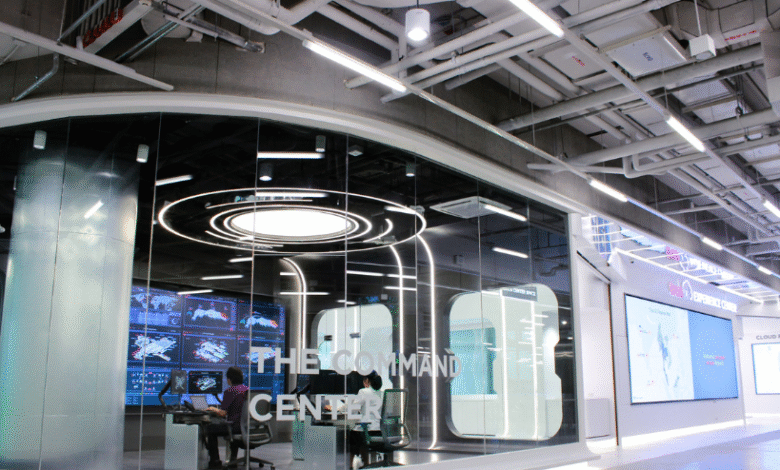
In today’s fast-paced digital landscape, data is the backbone of business, communication, and innovation. To efficiently store, process, and manage this data, organizations rely on robust infrastructure solutions. Among these, IDC Data Centers have emerged as a key player, offering secure, scalable, and high-performance environments for enterprises worldwide.
What is an IDC Data Center?
An IDC Data Center (Internet Data Center) is a specialized facility designed to house critical IT systems, including servers, storage devices, networking equipment, and backup systems. These centers provide businesses with the infrastructure necessary to ensure data reliability, availability, and security. Unlike conventional server rooms, IDC data centers are purpose-built to handle large-scale operations with advanced cooling, power, and networking solutions.
See also: Home Depot Bucket
Key Features of an IDC Data Center
IDC data centers come with a variety of features that make them indispensable for modern businesses:
- High Security:
Security is a top priority. IDC data centers deploy multi-layered physical and digital security measures, including surveillance systems, biometric access controls, and advanced fire suppression systems to protect sensitive information. - Redundant Power Supply:
Continuous operation is critical. IDC data centers ensure uninterrupted power through multiple backup generators and uninterruptible power supply (UPS) systems, minimizing downtime. - Efficient Cooling Systems:
High-performance servers generate significant heat. IDC facilities use advanced HVAC and liquid cooling systems to maintain optimal operating temperatures and prevent hardware failure. - Scalability:
IDC data centers offer flexible infrastructure that can grow with business demands. Organizations can scale their computing and storage capabilities without the need for costly in-house expansions. - High-Speed Connectivity:
These centers provide multiple high-speed internet connections and direct links to major networks, ensuring fast and reliable data transmission. - Disaster Recovery:
IDC data centers are built with redundancy and disaster recovery solutions to protect against data loss due to natural disasters, cyberattacks, or hardware failures.
Benefits of Using an IDC Data Center
Organizations that utilize IDC data centers enjoy several advantages:
- Improved Reliability: Guaranteed uptime and disaster-resistant infrastructure ensure critical systems remain operational.
- Cost Efficiency: Outsourcing IT infrastructure to an IDC reduces capital expenditure and operational costs.
- Enhanced Security: State-of-the-art security measures protect against cyber threats and unauthorized access.
- Focus on Core Business: Companies can focus on their core operations while IDC providers handle IT infrastructure management.
- Global Reach: Many IDC data centers offer global connectivity, enabling businesses to serve clients worldwide efficiently.
Types of IDC Data Centers
IDC data centers are categorized based on their design, capacity, and purpose:
- Enterprise Data Centers: Built and maintained by large organizations for internal use.
- Colocation Data Centers: Provide space, power, and cooling for multiple clients’ hardware.
- Cloud Data Centers: Support cloud computing services with scalable virtualized resources.
- Edge Data Centers: Located near end-users to reduce latency and improve real-time processing.
How IDC Data Centers Ensure Data Security
Data security in IDC data centers is multi-dimensional, covering both physical and digital aspects:
- Physical Security: Security personnel, CCTV surveillance, restricted access zones, and biometric controls.
- Network Security: Firewalls, intrusion detection systems, and continuous monitoring of network traffic.
- Data Backup & Recovery: Regular data backups, redundant storage, and disaster recovery plans.
- Compliance Standards: Adherence to global standards like ISO 27001 ensures robust information security management.
FAQs About IDC Data Center
Q1. What is the difference between an IDC and a traditional data center?
An IDC is specifically optimized for internet-based operations, with higher scalability, connectivity, and security features compared to traditional server rooms or smaller data centers.
Q2. Can small businesses use IDC data centers?
Yes. Many IDC providers offer colocation or cloud-based services suitable for small and medium-sized enterprises, allowing them to access enterprise-grade infrastructure without heavy investment.
Q3. How reliable are IDC data centers?
IDC data centers are highly reliable, often designed with redundancy, multiple power sources, and disaster recovery systems to guarantee near 100% uptime.
Q4. Are IDC data centers secure from cyber threats?
Yes. IDC centers employ advanced network security protocols, continuous monitoring, and compliance with international security standards to safeguard data.
Q5. How can businesses benefit from IDC data centers?
Businesses gain enhanced security, scalability, reliability, and cost efficiency, allowing them to focus on core operations while leveraging cutting-edge IT infrastructure.
Conclusion
In a world where data drives decision-making, communication, and innovation, IDC data centers are critical for ensuring seamless, secure, and scalable IT operations. By offering robust infrastructure, high-speed connectivity, and advanced security, IDC data centers empower businesses to operate efficiently while minimizing risks. Whether for startups, large enterprises, or global organizations, leveraging an IDC data center is a strategic step toward future-ready business operations.

