
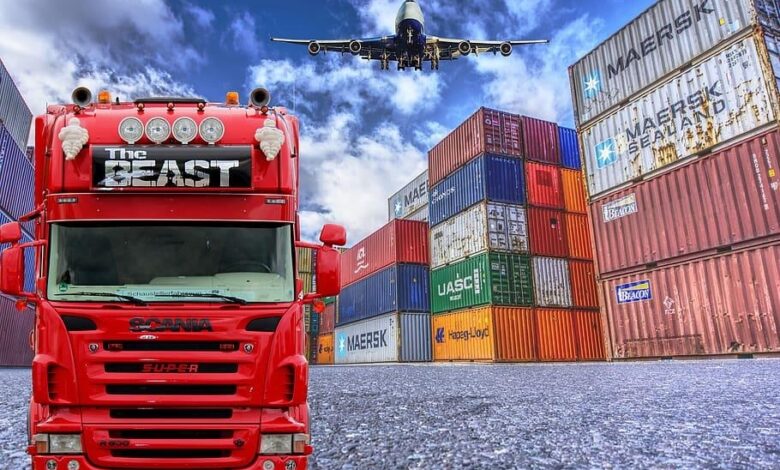
Logistics has quietly evolved into one of the most critical drivers of business success. While customers often focus on the final product, what happens behind the scenes—transportation, warehousing, inventory control, and coordination—determines whether that product arrives on time and in good condition. Companies that master logistics don’t just move goods; they create reliability, trust, and efficiency across the entire supply chain.
In an era where delivery expectations are higher than ever, logistics is no longer a support function. It is a strategic advantage. From manufacturing to last-mile delivery, every link in the chain depends on how well logistics systems are designed and executed.
Understanding the Role of Logistics in Supply Chains
At its core, logistics is about managing the flow of goods from origin to destination. This includes transportation planning, storage, handling, and information exchange. When done right, logistics ensures that materials and products are available exactly when and where they are needed.
Modern supply chains are complex networks that span multiple regions and stakeholders. A delay in one part of the chain can ripple across the entire system. That’s why logistics requires precise coordination and real-time visibility.
See also: Why More CDL Drivers are Embracing Tech-Driven Solutions
Key Components of Logistics Operations
Several elements come together to form a well-functioning logistics system:
Transportation determines how goods move between locations, whether by road, rail, air, or sea. Warehousing provides storage and acts as a buffer between supply and demand. Inventory management ensures optimal stock levels, preventing both shortages and overstocking. Finally, information systems tie everything together, enabling data-driven decision-making.
The Growing Complexity of Modern Logistics
Globalization and e-commerce have significantly increased the complexity of logistics operations. Businesses are now expected to deliver faster, often across longer distances, while maintaining cost efficiency.
Customer expectations have shifted as well. Same-day and next-day deliveries are becoming standard, forcing companies to rethink their logistics strategies. This has led to greater reliance on advanced technologies such as route optimization, real-time tracking, and automated warehousing systems.
Technology as a Game Changer
Technology has transformed logistics from a manual process into a highly data-driven operation. Advanced software solutions allow companies to monitor shipments in real time, predict delays, and adjust routes dynamically.
Automation in warehouses has also improved efficiency by reducing human error and speeding up order fulfillment. These innovations are not just about convenience—they are essential for staying competitive in today’s market.
Manufacturing Logistics and Its Impact
Manufacturing logistics plays a crucial role in ensuring that raw materials reach production facilities on time and that finished goods are distributed efficiently. Any disruption in this process can halt production and lead to significant financial losses.
For a deeper understanding of how manufacturing logistics operates and why it matters, this detailed guide on manufacturing logistics fundamentals provides valuable insights into industry practices and challenges.
Efficient coordination between suppliers, manufacturers, and distributors is essential. Companies that streamline this process can reduce costs, improve production timelines, and enhance overall supply chain performance.
The Importance of Reliable Transportation Partners
Transportation is often the most visible aspect of logistics, and it directly impacts delivery performance. Choosing the right logistics partner can make a significant difference in how smoothly goods move through the supply chain.
Experienced providers bring not only operational efficiency but also industry knowledge and problem-solving capabilities. They can navigate challenges such as route disruptions, regulatory requirements, and fluctuating demand.
How Professional Logistics Services Add Value
Working with a reliable logistics provider allows businesses to focus on their core operations while ensuring that their supply chain runs efficiently. For example, companies that partner with Beardown Logistics benefit from tailored transportation solutions designed to meet specific operational needs.
Such partnerships help reduce delays, optimize costs, and improve overall service quality. In a competitive market, these advantages can translate into stronger customer relationships and increased profitability.
Sustainability and the Future of Logistics
Sustainability is becoming an increasingly important consideration in logistics. Companies are under pressure to reduce their environmental impact while maintaining efficiency.
This has led to the adoption of greener practices such as fuel-efficient transportation, optimized routing to reduce emissions, and the use of eco-friendly packaging materials. Logistics providers are also exploring alternative energy sources and innovative technologies to minimize their carbon footprint.
Balancing Efficiency and Responsibility
Achieving sustainability in logistics requires a careful balance. While eco-friendly practices are important, they must also align with operational and financial goals. Businesses that successfully integrate sustainability into their logistics strategies can enhance their brand reputation while contributing to environmental conservation.
Lessons from Other Industries
Interestingly, logistics principles extend beyond traditional supply chains. Even industries like renewable energy rely heavily on efficient coordination and timely execution. For instance, understanding timelines and operational processes—such as those discussed in this detailed breakdown of solar panel repair timelines—highlights how logistics thinking applies across different sectors.
Whether it’s moving goods or managing service operations, the underlying principles remain the same: efficiency, coordination, and reliability.
Adapting to Changing Market Demands
The logistics landscape is constantly evolving. Businesses must be agile and adaptable to keep up with changing market conditions. This includes responding to shifts in consumer behavior, disruptions in global trade, and advancements in technology.
Flexibility is key. Companies that invest in scalable logistics solutions can adjust their operations quickly, ensuring continuity even in uncertain environments.
The Role of Data and Analytics
Data analytics is playing an increasingly important role in logistics. By analyzing patterns and trends, businesses can make informed decisions that improve efficiency and reduce costs.
Predictive analytics, for example, allows companies to anticipate demand fluctuations and adjust their inventory levels accordingly. This proactive approach helps prevent disruptions and ensures a smoother flow of goods.
Conclusion
Logistics is far more than the movement of goods—it is the foundation upon which modern supply chains are built. As businesses face growing complexity and rising customer expectations, the importance of efficient logistics continues to increase.
From advanced technology to reliable partnerships and sustainable practices, every aspect of logistics contributes to overall success. Companies that prioritize logistics as a strategic function will be better positioned to navigate challenges, seize opportunities, and deliver consistent value to their customers.